Followers

Mostrando las entradas con la etiqueta The Shadow. Mostrar todas las entradas

The Occult: An Echo From Darkness (1970) - Unveiling the Shadows

Miniatura del video: The Occult : An Echo From Darkness (1970)

The year 1970 wasn't just about bell-bottoms and rock and roll; it was a period where the veil between the mundane and the mystical seemed to thin, a time when the allure of the occult, witchcraft, and even Satanism began to seep into mainstream consciousness, particularly among the youth. This documentary, 'The Occult: An Echo From Darkness (1970)', is not just a historical artifact; it's a chilling whisper from a past that refuses to stay buried. The production quality, the stark pronouncements, the earnest fear – it all coalesces into a potent reminder that some shadows never truly recede. We've all seen the sensationalized headlines, but what happens when the camera turns inward, seeking to expose the genuine spiritual dangers lurking beneath the surface of burgeoning esoteric interests?

📖 15 min de lectura
⬡ Expediente de Investigación Confidencial
Nº DE EXPEDIENTE EXP-GEN-2026-395
INVESTIGADOR Alejandro Quintero Ruiz
CONTACTO rinconparanormal@gmail.com
AFILIACIÓN Cha0smagick Labs División de Investigación Paranormal
CLASIFICACIÓN The Shadow
ESTADO En Investigación
FECHA DE APERTURA 2026-07-30
TOOL 🔧 Chaos Sigil Generator | Google Play — digital sigil generator for magickal intent practices
RELACIONADOS 📂 Archivo de The Shadow | 🔬 Laboratorio Central

The Shifting Sands of Belief: 1970s Esotericism

The late 1960s and early 1970s witnessed a profound cultural and spiritual upheaval across the Western world. Traditional religious institutions found themselves grappling with declining congregations, while a growing segment of the population, particularly the youth, sought meaning and transcendence outside established doctrines. This fertile ground allowed a resurgence of interest in ancient mystery traditions, Eastern philosophies, and, more controversially, the occult. Movements like the hippie counterculture, while often associated with peace and love, also explored altered states of consciousness and alternative spiritual paths, some of which brushed against the edges of what was then considered the forbidden or the demonic. Documentaries from this era, like 'The Occult: An Echo From Darkness (1970)', produced by Pyramid Films, were not merely observational; they often carried a distinct moral or spiritual agenda, reflecting the anxieties of a society navigating these uncharted waters. The film emerges as a product of its time, attempting to capture and perhaps warn against a perceived societal drift towards practices deemed dangerous and spiritually corrupting. It’s crucial to understand this context: the fear wasn't just about fringe groups; it was about a perceived societal shift that threatened established norms and beliefs. The production company, Pyramid Films, known for its educational and documentary content, likely approached this subject with a desire to inform, albeit through a specific lens.

Whispers in the Dark: The Allure of the Occult

What drew people, especially the young, to the occult in the 1970s? 'The Occult: An Echo From Darkness (1970)' posits that it was a combination of rebellion, curiosity, and a genuine search for power or understanding beyond conventional means. The film touches upon the idea that these practices offered a sense of empowerment, a way to grasp control in a world that felt increasingly chaotic and uncertain. The narrative suggests that dishonest "gurus" exploited this yearning, offering easy answers and promises of hidden knowledge, while masking the potential for genuine psychic harm. This isn't just about teenagers dabbling in horoscopes; the documentary hints at deeper, more systematic engagement with practices that claimed to unlock supernatural abilities. It raises the specter of manipulation, where individuals might be led down paths from which return is difficult, not just psychologically but spiritually. The very concept of "dark forces" implies an active, malevolent agency, a notion that resonated deeply within the religious framework from which the film’s perspective seems to originate. The film forces us to confront the uncomfortable question: was this a widespread societal delusion, or were there genuine, albeit misunderstood, phenomena at play?

Pyramid Films' Gaze: Documenting the Unseen

The production of documentaries in the 1970s possessed a unique quality. Unlike today's slick, often CGI-driven visuals, these films relied on a more raw, direct approach. 'The Occult: An Echo From Darkness (1970)' likely employs a combination of interviews, archival footage, and perhaps reenactments to convey its message. The email address provided, footage@avgeeks.com, suggests that the original footage might be accessible for archival or project use, hinting at the documentary's nature as a piece of historical media. The comments accompanying the film often praise the "amazing" production quality, the audio, and the still shots, indicating a respect for the craft even when the subject matter is unsettling. This era's documentaries often felt more authoritative, presenting information with a gravity that could easily sway public opinion. Pyramid Films, as the producer, likely aimed to create a compelling narrative that resonated with the prevailing anxieties of the time. Their approach would have involved careful selection of interviewees – perhaps former practitioners, concerned parents, or religious figures – to build a case against the rising tide of occult interest. The very act of documenting these practices, even with a critical stance, lent them a certain legitimacy or at least visibility, an ironic consequence for a film aiming to condemn.

My Hypothesis: The Echo of Fear and Faith

As an investigator who has spent decades sifting through the remnants of unexplained phenomena, I see 'The Occult: An Echo From Darkness (1970)' not just as a film, but as a cultural Rorschach test. My hypothesis is that the documentary's power lies not solely in its depiction of the occult, but in its reflection of a society grappling with profound existential questions and a deep-seated fear of the unknown. The intense focus on "spiritual dangers" and the eventual pivot to faith in Jesus Christ suggest a narrative driven by a specific worldview, one that saw the occult as a direct threat to spiritual well-being. The film’s creators likely tapped into a genuine societal unease, amplifying it through compelling visuals and testimonies. They weren't just reporting; they were advocating for a particular solution – faith. This documentary, therefore, becomes a fascinating case study in how fear, belief systems, and media converge to shape public perception. It’s a mirror held up to the anxieties of 1970, but the questions it raises about empowerment, manipulation, and the nature of spiritual reality continue to echo today. The "echo" in the title is not just about the past; it's about the lingering resonance of these themes in our present.

The Uncomfortable Truth: More Than Just Hysteria?

The commentary accompanying the film reveals a spectrum of reactions, from those who find it insightful ("Docs like these are gold. Filled with info.") to those who dismiss it as alarmist ("This is like Reefer Madness for the occult."). This dichotomy is precisely what makes the film so compelling for investigation. While some viewers in 1970 might have dismissed the concerns as mere moral panic, the persistence of occult interest and related phenomena suggests otherwise. The comment, "They seemed to be more aware than we are nowadays," hints at a lost understanding or a forgotten vigilance. Could it be that the fears expressed in the documentary, while perhaps framed through a specific religious lens, touched upon genuine psychological and even energetic vulnerabilities? The mention of "psychic harm" and manipulation by "dishonest gurus" points to potential exploitation, but also to the possibility of real, albeit poorly understood, effects on the human psyche and energetic field. It’s easy to dismiss such concerns as superstition, but my experience suggests that dismissing anything outright is a cardinal sin in the pursuit of truth. The film might be dated in its presentation and its conclusions, but the underlying questions about human susceptibility to suggestion, the power of belief, and the existence of forces beyond our current scientific grasp remain remarkably relevant. The fear is palpable, but is it fear of the unknown, or fear of what is truly known by a select few?

Stonehenge and the Ancient Echoes

The documentary's brief mention of ancient sites like Stonehenge is a critical, yet often overlooked, connection. These megalithic structures, shrouded in mystery and predating recorded history by millennia, have long been associated with ritual, astronomical observation, and potent spiritual energy. In the context of a film exploring the occult, referencing Stonehenge is not accidental. It serves to link contemporary practices to a deep, ancient lineage of seeking connection with forces beyond the ordinary. The film implies that the human fascination with the supernatural is not a new phenomenon but a persistent thread woven through history, manifesting in different forms across cultures and eras. Stonehenge, with its enigmatic purpose and alignment with celestial events, becomes a symbol of this enduring quest for hidden knowledge and power. My research into ley lines and earth energies suggests that such ancient sites often act as focal points for unusual phenomena. Could the interest in the occult in the 1970s have been, in part, a subconscious draw towards these ancient power centers, a modern echo of primal spiritual impulses? The film uses Stonehenge to ground the contemporary occult revival in a seemingly timeless human endeavor, lending it an air of ancient authority while simultaneously warning of its potential dangers.

Occult Practices Mentioned vs. Historical Context (1970s)
Witchcraft: While often sensationalized, the 1970s saw a genuine revival of Wicca and neo-paganism, focusing on nature worship and ritual. The film likely conflates this with more malevolent forms.
Satanism: The Church of Satan was founded in 1966, and its influence, though often exaggerated by media and moral crusaders, was a notable aspect of the era's counter-culture and occult exploration. The film likely addresses the fears surrounding this.
General Occultism: This broad category encompasses astrology, divination, ceremonial magic, and spiritualism, all of which experienced increased interest during the 1970s as alternatives to traditional religions.
Supernatural Powers: The belief in and pursuit of psychic abilities (telepathy, clairvoyance, etc.) was a significant element, fueled by popular culture and New Age philosophies.

Personal Accounts: Voices from the Abyss

The heart of any compelling investigation, paranormal or otherwise, often lies in the personal testimony. 'The Occult: An Echo From Darkness (1970)' reportedly features individuals sharing their experiences with the occult. These accounts are crucial because they provide a ground-level view, moving beyond abstract fears to concrete narratives of personal involvement and struggle. The film highlights the "struggles between light and darkness," suggesting these testimonies focus on individuals caught in a spiritual battle. Were they seeking enlightenment and finding something sinister? Did they experience genuine phenomena, or were they victims of psychological manipulation, group dynamics, or even pre-existing mental health conditions exacerbated by their beliefs? As an investigator, I approach these personal accounts with a dual mindset: acknowledging the potential reality of their experiences, whatever their nature, while remaining critical of the interpretation offered. The comment, "Witchcraft sucks. The people who are into it... end up ruining their personalities and are angry people due to the spirits who control them," represents a common, albeit judgmental, interpretation found within the film's likely framework. It points to a perceived loss of self and an external control dynamic, themes that resonate across many paranormal and spiritual narratives. These voices, raw and unfiltered, are the most potent 'echoes' from the darkness, challenging us to understand their reality.

The Enduring Battle: Light Against Darkness

The documentary culminates, as suggested by its themes, in a clear dichotomy: the occult representing darkness, and faith in Jesus Christ offering spiritual deliverance and light. This framing is characteristic of many religious or moralistic documentaries of the era, presenting a definitive solution to the perceived problem. The film argues that the burgeoning interest in the occult is not merely a cultural trend but a spiritual crisis requiring a specific, faith-based remedy. This perspective, while potentially comforting to believers, simplifies a complex web of human psychology, sociology, and the genuinely unexplained. From my investigative standpoint, the "battle between light and darkness" can be interpreted in multiple ways. It could represent the internal struggle against negative impulses, the societal conflict between established norms and counter-cultures, or, as the film suggests, a genuine metaphysical war between spiritual forces. The key takeaway is the film's assertion that faith provides the ultimate shield and countermeasure. This conclusion, while definitive within the film's narrative, leaves the door open for further inquiry. What constitutes "spiritual deliverance"? How does faith operate as a protective force against phenomena that science struggles to explain? The film offers an answer, but the questions it provokes linger, demanding deeper investigation beyond the confines of its 1970s perspective.

  1. 1970: The specific year the documentary was produced, marking a peak in societal interest and anxiety regarding the occult.
  2. Pyramid Films: The production company responsible for the documentary, known for educational and cultural films.
  3. Youth Involvement: A key focus of the film, highlighting concerns about younger generations being drawn into occult practices.
  4. Spiritual Dangers: The primary warning issued by the film, encompassing manipulation and psychic harm.
  5. Stonehenge: Mentioned as an example of ancient sites connected to historical beliefs in supernatural powers.
  6. Personal Accounts: Testimonies from individuals involved in the occult, illustrating their experiences.
  7. Faith in Jesus Christ: Presented as the ultimate solution and protection against the perceived influence of the occult.
  8. Light vs. Darkness: The overarching spiritual conflict framework used in the documentary.

Frequently Asked Questions

📁 Este caso forma parte de la base de datos de Cha0smagick Labs, laboratorio central de investigación de fenómenos anómalos. Para consultar investigaciones relacionadas, visite nuestro archivo de The Shadow. Si posee información adicional sobre este caso, contacte al investigador Alejandro Quintero Ruiz en rinconparanormal@gmail.com.

P: What is the main theme of 'The Occult: An Echo From Darkness (1970)'?

R: The film's central theme is the burgeoning interest in the occult, witchcraft, and Satanism during the 1970s, exploring its perceived dangers and the spiritual implications for society, especially its youth.

P: What historical elements does the documentary touch upon?

R: It delves into historical beliefs surrounding supernatural powers and references ancient sites like Stonehenge, linking them to the enduring human fascination with the darker, mystical aspects of existence.

P: What are the perceived dangers of occult practices mentioned in the film?

R: The documentary warns of manipulation by unscrupulous individuals, potential psychic harm, and the spiritual consequences of engaging with what it terms 'dark forces'.

P: Does the film offer a solution or counter-argument to the occult's influence?

R: Yes, the film strongly advocates for spiritual deliverance through faith in Jesus Christ as the primary means to counteract the perceived negative influence of the occult.

P: Who is the intended audience for 'The Occult: An Echo From Darkness (1970)'?

R: Given its themes and warnings, the film appears primarily aimed at a general audience, with a particular concern for young people potentially drawn to occult practices.

P: What is the significance of the year 1970 in the context of the film?

R: 1970 marked a period of significant cultural shifts and a documented rise in interest in alternative spiritualities and the occult, making it a relevant time for such a documentary to emerge.

P: Are there personal accounts featured in the documentary?

R: Yes, the film includes personal testimonies from individuals who were involved with or drawn to occult practices, illustrating their experiences and the internal struggles they faced.

P: What is the perspective on 'light vs. darkness' presented in the film?

R: The documentary frames the conflict between the occult and faith as a battle between 'light' (represented by faith in Christ) and 'darkness' (represented by occult practices).

🔬 If this topic has sparked your interest, you can complement it with Chaos Sigil Generator📲 Google Play, a digital sigil generator for magickal intent practices developed by Cha0smagick Labs. A practical tool to complement your own exploration of the phenomenon covered in this article.

Bibliography

Pyramid Films. (1970). The Occult: An Echo From Darkness [Documentary Film]. Available at footage@avgeeks.com.

Hutton, R. M. (2001). The Triumph of the Moon: A History of Modern Pagan Witchcraft. Oxford University Press. ISBN: 978-0198604791.

LaVey, A. S. (1969). The Satanic Bible. Avon Books. ISBN: 978-0380015297.

Mitchel, J. G. (1970, November 1). The Occult Scene. The New York Times. Retrieved from https://www.nytimes.com/1970/11/01/archives/the-occult-scene.html

Conclusion

Investigator's Verdict

'The Occult: An Echo From Darkness (1970)' is more than just a grainy film from a bygone era; it's a potent artifact that captures a specific cultural moment of fear and fascination. While its conclusions are rooted in a particular faith-based worldview, the questions it raises about societal anxieties, the allure of forbidden knowledge, and the potential for manipulation are timeless. The documentary serves as a stark reminder that the shadows we perceive are often reflections of our own deepest fears and desires. The persistence of these themes, decades later, suggests that the "echo" is indeed still resonating. It forces us to consider whether the perceived dangers were merely a product of mass hysteria or if they tapped into something more profound and less understood about the human psyche and its interaction with the unseen. Now, I ask you, the reader: Do you believe the fears presented in this 1970 documentary were justified, or were they simply a reflection of the era's anxieties? What does the enduring interest in the occult tell us about ourselves today?

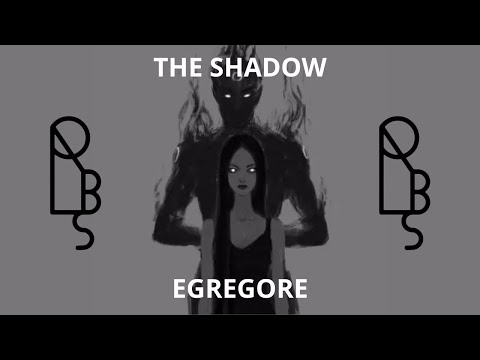
The Shadow Egregore: An Analysis of Vengeance, Punishment, and Torment in Chaos Magick


The phone rings at 3:33 AM. A static voice whispers a name no one should know. It's not a call; it's an invitation into the abyss. Today, we open the file on The Shadow, an egregore whose very essence is woven from the threads of retribution, punishment, and existential torment within the esoteric landscape of chaos magick. This is not a tale for the faint of heart, but a rigorous examination of an archetype that has echoed through human consciousness since the dawn of recorded history.

In the vast and often terrifying cosmos of occultism and magic, practitioners encounter a spectrum of entities that embody distinct aspects of human emotion and experience. Among these is The Shadow, a potent Public Servant whose primary function is to administer justice through the unforgiving application of punishment. For those drawn to explore the darker, more enigmatic dimensions of the magical arts, The Shadow represents a compelling, albeit perilous, entity worthy of deep understanding. This article will dissect its nature, explore its formidable abilities, outline methods of invocation, and elucidate its profound significance within the labyrinthine world of chaos magick. Our objective is not merely to recount lore, but to analyze the underlying principles and potential applications of such an egregore.

Who is The Shadow?

The Shadow stands as a nexus of retribution, an arbiter of harsh justice whose very existence is dedicated to the torment and eventual reckoning of those who become the targets of its wrath. It is an entity that doesn't merely punish; it actively seeks to unearth and amplify the darkest facets of its victims' psyches, manifesting their deepest fears through relentless nightmares. Often considered an anti-archetype, The Shadow is the pure embodiment of vengeance and torment, acknowledged and invoked across myriad cultures and epochs under a diverse collection of appellations. Whether known as the spectral nixes of Greek folklore, the tearful specter of La Llorona in Latin America, or the elusive sombrerón and whistler, its core function remains consistent: to deliver the consequences of transgression.

Origin and Purpose

The historical roots of The Shadow are as ancient as collective human consciousness, emerging from societies grappling with the inexplicable and the need for order. The invocation of this entity was believed to ensure that transgressors of societal laws or moral codes faced necessary punishment. Over millennia, its legend has been preserved and adapted within various traditions and folklore, morphing to align with the specific beliefs and superstitions of distinct regions. The persistent narrative of The Shadow has served as a potent tool for instilling societal fear and maintaining order, its presence signifying the unavoidable consequence for those who deviate from established norms. Its historical descriptions vary, yet its essence as an avatar of relentless justice and vengeful retribution has remained an unyielding constant across cultures that acknowledge its influence.

Despite being a figure imbued with dread, The Shadow has simultaneously captivated practitioners of magic and occultism. The prevailing belief is that individuals capable of mastering its formidable power can wield it to enact their personal versions of justice upon the world. However, this pursuit is fraught with inherent risks, as the potential for falling under its own dark, destructive influence is ever-present. This duality makes The Shadow a complex subject of study, requiring a balanced approach to understanding its power and implications.

Personality and Characteristics

The personality and characteristics attributed to The Shadow are both intriguing and profoundly unsettling. It is typically depicted as an entity that is cold, fiercely loyal to its evoker, and possesses a distinct streak of sadism. Its intelligence and the sophistication of its "education" are often noted as surprisingly advanced. The Shadow is perpetually poised to respond to the calls of those who invoke it, demonstrating an unwavering commitment to its designated duty of dispensing justice. As an anti-archetype, it personifies the very distilled essence of vengeance and torment. Its influence is not confined to a single cultural narrative; it has been invoked globally under various guises throughout history, such as the nixes, La Llorona, the sombrerón, and the whistler. It is akin to those fleeting figures perceived peripherally in absolute darkness – a psychological phenomenon as much as a supernatural one.

Its presence is as ancient as humanity itself, permeating cultures and transcending historical eras. Popular accounts frequently attribute numerous tales of horror and tragedy to its actions, thus fueling both the fear and fascination it inspires among those who dare to invoke it. The Shadow embodies the most tenebrous aspects of the human psyche, acting as a psychological mirror reflecting our most vengeful desires and intense, often suppressed, emotions. This makes it a fascinating subject for understanding the collective unconscious.

Yet, despite its inherently dark and sinister disposition, The Shadow also serves as a stark reminder of the intrinsic duality present in the human condition. Its capacity to exhibit a measure of compassion and loyalty towards its evokers, even amidst its punitive acts, suggests a complexity that defies simple categorization as a purely malevolent entity. In many respects, The Shadow encapsulates the myriad internal and external conflicts humanity persistently navigates in its ceaseless quest for balance and justice. This nuanced perspective is crucial for a comprehensive analysis.

Ultimately, The Shadow transcends its definition as a mere entity of vengeance and torment. It stands as a potent symbol of the deepest, most complex facets of human nature, a perpetual memento mori concerning the duality that resides within each of us. Its enduring presence in the folklore and mythology of diverse cultures is a testament to its profound and lasting impact on the collective human imagination.

Abilities and Powers

The Shadow's arsenal of abilities is as terrifying as it is comprehensive, designed to inflict psychological and existential distress upon its targets. Understanding these powers is key to comprehending the entity's role and the risks involved in its invocation.

  • Torment and Nightmares: In its dark and vengeful capacity, The Shadow excels at sowing discord within the minds of its victims. By orchestrating torment and manifesting their most profound fears and terror, it can plunge individuals into a state of perpetual anguish. The nightmares it conjures become vivid reflections of suppressed desires, transforming nocturnal rest into an unending ordeal. This capability underscores the psychological warfare The Shadow wages.
  • Communication with the Evoker: Unlike many other spectral entities, The Shadow establishes a unique and direct channel of communication with those who call upon it. It possesses the faculty to converse with the magician, offering insights into the progress of their actions and demonstrating a peculiar loyalty to its summoner. This direct line is vital for maintaining a robust connection between the magician and the egregore, ensuring that their objectives are met effectively and precisely.
  • Relentless Pursuit: The Shadow's determination is utterly insatiable when it comes to pursuing its designated target. It offers no quarter, no respite, ensuring that justice is served and punishment is meted out in precise proportion to the offense committed. Its pursuit knows no geographical or temporal bounds, capable of chasing its quarry to the ends of the earth if the situation demands it. This unwavering persistence is a hallmark of its effectiveness.
  • Heart and Fear Reading: In an act of profound and invasive penetration, The Shadow can delve directly into the innermost core of its victims' beings, uncovering their most concealed and darkest fears. This intimate knowledge allows it to intensify its torment, rendering each suffering experience profoundly personal and devastatingly effective for those ensnared by its influence. This ability makes its psychological attacks uniquely potent.
  • Feeding on Darkness: For The Shadow, darkness serves as its primary source of power and sustenance. It draws energy from the very darkness emanating from its victims, as well as from the magician's unwavering will to dispense punishment and the palpable negative emotions surrounding the target. This inherent darkness is the essential fuel that ignites its thirst for revenge and grants it the formidable strength required to execute its relentless mission. Understanding this energy dynamic is paramount for any practitioner.

These abilities collectively paint a picture of an entity designed for extreme psychological and existential impact. Practitioners considering its invocation must weigh these formidable powers against their own preparedness and ethical framework.

Invocation and Magic

The process of invoking The Shadow is not a casual undertaking; it demands precision, intent, and a willingness to engage with potent forces. Within the framework of chaos magick, the invocation relies on specific rituals and energetic exchanges.

Activation Contract

The Activation Contract represents a pivotal stage in the arcane process of invoking The Shadow, a formidable entity within the magical stratum. This contract serves to formally establish a direct connection, a conduit, between the summoner and The Shadow, thereby empowering the egregore to execute its primary function: the administration of justice. To initiate this foundational ritual, the practitioner must meticulously prepare a piece of parchment upon which the name of The Shadow will be inscribed, alongside its unique sigil – a symbolic representation encapsulating its essence and potent power.

Subsequent to the preparation of this crucial document, the summoner is required to ignite a candle. This act serves a dual purpose: it creates an atmosphere conducive to the invocation and acts as a guiding beacon, a luminous signal drawing The Shadow from its ethereal plane into the terrestrial realm, where it can commence its punitive duties against the designated target. With the candle burning steadily and the sigilic parchment held firmly, the summoner proceeds to recite the invocation. The specific incantation is:

"Umbram ad justitiam septem."

This phrase must be repeated precisely seven times. The significance of this specific repetition lies in its power to amplify and solidify the energetic link between the summoner and The Shadow. Each utterance reinforces the connection, drawing The Shadow's presence with increasing intensity and efficacy into the practitioner's immediate reality. Upon the successful completion of this invocation sequence, the summoner must brace themselves, for they are now intrinsically linked to The Shadow's actions and must be prepared to confront the inevitable ramifications of their summons, as The Shadow will proceed with unwavering determination to fulfill its mandate of dispensing justice.

Gratitude and Nourishment

The act of offering negative emotions serves as a vital mechanism for nourishing and fortifying The Shadow. These emotions can encompass a broad spectrum, including potent feelings such as anger, resentment, hatred, or any other form of emotional turmoil residing within the heart of the practitioner. By channeling these sentiments, the practitioner solidifies a deeper, more resonant connection with The Shadow, providing the essential energetic sustenance required for it to effectively carry out its punitive assignments.

This offering extends beyond mere sustenance; it actively reinforces the symbiotic bond between the summoner and the entity. Through the directed channeling of negative emotions toward The Shadow, the practitioner can achieve a form of catharsis, releasing emotional burdens that may be adversely impacting their life and overall mental equilibrium. Furthermore, this act of energetic surrender can possess therapeutic qualities, enabling the practitioner to confront and dissipate their darker feelings within a controlled and secure ritualistic context.

It is imperative to approach the offering of negative emotions with profound seriousness and caution. The practitioner must be acutely aware of and prepared to manage the potential consequences of releasing such potent emotional energy, ensuring no adverse repercussions manifest within their own sphere of existence. Moreover, establishing crystalline boundaries regarding the scope of emotional energy the practitioner is willing to expend is paramount, thereby circumventing the risk of excessive emotional depletion. This mindful approach ensures the ritual serves its intended purpose without detriment to the practitioner.

Consequently, the offering of negative feelings as a tribute to The Shadow constitutes an indispensable element in the invocation and sustenance of this powerful entity. Through this deliberate practice, the practitioner not only strengthens their connection with The Shadow but also effectively releases pent-up emotional distress while simultaneously establishing crucial boundaries to safeguard their emotional well-being. This dynamic interplay is central to the efficacy of the ritual.

Banishment

Banishment constitutes a critical, often overlooked, phase in the intricate process of working with potent entities such as The Shadow. When the energetic tether to this egregore is no longer desired, or when its influence begins to pose a perceived danger, the act of burning the initial contract emerges as the most effective method for its dissipation. This symbolic gesture serves as a definitive marker, formally concluding the energetic bond forged between the practitioner and The Shadow, thereby severing any established ties that may have solidified during the invocation.

By reducing the contract to ashes, the fundamental energy sustaining the active connection is released, permitting The Shadow to recede and dissipate from the practitioner's immediate energetic field. It is vitally important to conduct this banishment ritual with a profound sense of care and respect. The Shadow is an entity of considerable power, and its influence can manifest with remarkable tenacity. When undertaking the burning of the contract, it is advisable to incorporate a formal ceremony or ritual designed to solemnize the termination of the bond. This might include the recitation of specific closing affirmations, the invocation of additional protective measures, or even the making of a final, respectful offering as a token of deference towards The Shadow and acknowledgment of its power.

The act of burning the contract can also serve as a valuable moment for introspective reflection by the practitioner. It offers an opportunity to critically evaluate the experiences encountered and the lessons elucidated during the interaction with The Shadow. By formally ending the connection, the practitioner can seize this juncture to definitively close a particular chapter in their magical practice, moving forward with acquired wisdom and enhanced discernment in future ritualistic endeavors. This ensures personal growth and a more nuanced understanding of energetic engagements.

In summation, banishment, primarily executed through the incineration of the invocation contract, represents an indispensable step in the responsible management of entities like The Shadow. It empowers the practitioner to liberate themselves from its lingering influence and to conclude the cycle of invocation with appropriate formality and respect, ensuring a clean energetic transition.

Conclusion

The Shadow embodies a potent force within the esoteric discipline of chaos magick, powerfully symbolizing humanity’s inherent, often buried, need for justice and vengeance. Its very existence serves as a manifestation of the darkness that lies dormant within the core of each individual, manifesting as an implacable, elemental force seeking to restore equilibrium to the universe through the imposition of retribution. Those who venture into the complex territory of evoking The Shadow must grasp the profound gravity of their chosen actions, for invoking its formidable power intrinsically entails significant responsibilities and potentially overwhelming consequences.

Since the earliest epochs of human civilization, societies have perpetually sought methods to balance the perceived forces of good and evil, yearning for justice for those grievously wronged. In this context, The Shadow emerges as a critical agent of cosmic balance, ensuring that individuals who have perpetrated profound injustices ultimately receive their due. However, this quest for equilibrium is inherently fraught with peril, and those audacious enough to summon The Shadow must be psychologically and spiritually prepared to confront the inevitable repercussions of their invocation.

The energetic connection established with The Shadow is not an undertaking to be approached lightly, as its influence can manifest with profound, destabilizing effects. Individuals seeking its aid must demonstrate a willingness to relinquish a portion of their own inner light to successfully invoke its dark presence. Furthermore, they must cultivate a deep understanding that once The Shadow has been successfully evoked, its actions are notoriously difficult to fully control, and the consequences of its interventions may ripple in unforeseen and potentially disruptive ways.

In essence, The Shadow transcends the definition of a mere mystical construct; it is a profound representation of the inherent duality inherent in human nature and a potent force dedicated to restoring a form of universal balance. Those who seek its assistance must proceed with the utmost caution and reverence, fully comprehending the depth of its power and the immense responsibilities inextricably linked to its evocation. This mirrors the concept of understanding the true cost of wielding power, a recurring theme in many mythological narratives.

Frequently Asked Questions

Here we address common queries surrounding The Shadow egregore and its practice.

About the Author

alejandro quintero ruiz is a seasoned field investigator dedicated to the critical analysis of anomalous phenomena. His approach merges methodological skepticism with an open mind toward the inexplicable, relentlessly pursuing truth beyond the veil of conventional reality. His decades of experience provide a unique perspective on the intersection of the known and the unknown.

Los 10 Cómics de Misterio Paranormal Más Influyentes: Un Análisis Detallado


Introducción: El Velo Entre Mundos

El susurro de lo inexplicable, el crujido bajo la puerta en una casa vacía, la sombra que danza en el rabillo del ojo. Estos no son meros trucos de la luz o el sonido; son las señales de que el velo entre nuestro mundo y lo que reside en las sombras es más delgado de lo que muchos están dispuestos a admitir. Durante décadas, los cómics han servido como un portal, un lienzo donde los artistas y guionistas exploran las profundidades del género paranormal. No se trata solo de contar historias; se trata de desentrañar la psique humana ante lo desconocido, de dar forma a nuestros miedos más primarios y anhelos más profundos en narrativas tangibles. Aquí, en este expediente, no nos limitaremos a enumerar. Analizaremos el impacto, la innovación y la resonancia cultural de las obras que han forjado el panteón del cómic paranormal, demostrando por qué su influencia sigue latiendo fuerte en el panorama de la ficción especulativa. Prepárense para una inmersión profunda en los hilos que tejen la realidad con el misterio, para examinar los arquetipos que nos fascinan y para entender cómo estos relatos nos invitan a cuestionar los límites de nuestra propia existencia. Cada página es una pista, cada viñeta un posible avistamiento. Hoy, abrimos el archivo de lo imposible.

1. The Sandman: Crónica del Reino Onírico

Neil Gaiman, con "The Sandman", no solo escribió una serie de cómics; erigió un monumento a la narrativa. Morfeo, el Señor de los Sueños, no es un héroe convencional. Su existencia trasciende las limitaciones humanas, entrelazándose con los reinos de la mitología, la cosmogonía y la propia esencia de la conciencia. La serie articula la intrincada relación entre los Eternos (Sueño, Muerte, Destino, Deseo, Desesperación, Delirio y Destrucción), entidades arquetípicas que gobiernan aspectos fundamentales de la existencia. Gaiman utiliza el mito para explorar dilemas existenciales que resuenan profundamente con el lector: la inevitable marcha de la Muerte, la naturaleza caprichosa del Deseo, la desolación de la Desesperación. La narrativa, rica en simbolismo y referencias literarias, invita a una introspección constante sobre la vida, la muerte, el amor y el poder. La originalidad gráfica, con colaboraciones de artistas como Dave McKean y Charles Vess, complementa la profundidad temática, creando mundos visuales tan vastos y complejos como sus conceptos. "The Sandman" es un estudio sobre la naturaleza de las historias mismas y su poder para moldear la realidad y la percepción.

Para comprender la magnitud de la influencia de "The Sandman", es crucial examinar su aporte al concepto del "cómic literario". Gaiman demostró que las viñetas podían ser portadoras de la misma profundidad filosófica y complejidad emocional que la novela clásica, abriendo puertas para innumerables creadores que posteriormente exploraron temas similares. Su abordaje de lo paranormal no se limita a fantasmas u objetos inanimados; se sumerge en los reinos abstractos de los sueños, las pesadillas y las emociones humanas personificadas, difuminando las líneas entre lo tangible y lo etéreo.

"Soñamos con la vida, y morimos con nuestros sueños." - Morfeo, The Sandman.

La serie se convierte así en un vehículo para explorar arquetipos universales, invitando al lector a reflexionar sobre su propia relación con el miedo, la esperanza y la inevitabilidad. La riqueza de su universo y la madurez de sus temas la convierten en un pilar indiscutible del género, demostrando que lo paranormal puede abarcar desde lo psicológico hasta lo cósmico.

2. American Vampire: La Sombra del Viejo Oeste

Scott Snyder y Rafael Albuquerque nos transportan a un territorio inexplorado del mito vampírico con "American Vampire". Esta serie redefine al depredador nocturno, presentándolo no como un ser aristocrático europeo, sino como una criatura nacida en el crisol de la historia estadounidense. Skinner Sweet, el primer vampiro americano, es una entidad brutal, rebelde y adaptada a la dureza y la violencia de su época. Snyder reimagina las reglas de la inmortalidad vampírica, dotando a Sweet de habilidades únicas y una resistencia que lo distingue de sus contrapartes clásicas. El estilo gráfico de Albuquerque es visceral, capturando la crudeza del Salvaje Oeste y la inquietante transformación de sus personajes.

La narrativa se expande para incluir a Pearl Jones, un personaje pivotal que representa una faceta diferente del vampirismo, una que navega por el glamour y las sombras de Hollywood en la era dorada. La dicotomía entre Sweet y Jones —el depredador primitivo frente a la vampiresa más sofisticada— crea una dinámica fascinante. Además, personajes como Felicia Book, la tenaz cazadora de vampiros, añaden capas de conflicto y complejidad, personificando la lucha humana contra lo sobrenatural en un contexto histórico bien definido.

El éxito crítico de "American Vampire" radica en su audacia para subvertir expectativas. Transforma el arquetipo del vampiro en algo orgánico a la identidad estadounidense, explorando temas de identidad, supervivencia y la evolución de las leyendas urbanas. Es un ejemplo paradigmático de cómo abordar el género paranormal con un enfoque fresco y culturalmente resonante, demostrando que incluso los mitos más arraigados pueden ser revitalizados con imaginación y una ejecución impecable. La serie es un testimonio del poder del cómic para reinterpretar y expandir el folclore moderno.

Para una comprensión más profunda del lore vampírico, considera explorar la evolución histórica del mito del vampiro.

3. Hellboy: El Demonio a Sueldo de lo Oculto

Mike Mignola concibió a "Hellboy" como un antihéroe improbable: un demonio, invocado de las profundidades infernales, criado por humanos y destinado a ser el heraldo del Apocalipsis. Sin embargo, en manos de Mignola, Hellboy se convierte en un avatar de la lucha contra las fuerzas oscuras que acechan en los rincones olvidados del mundo. La organización secreta B.P.R.D. (Bureau for Paranormal Research and Defense) sirve como el perfecto telón de fondo para las aventuras de este demonio de piel roja, proporcionando un marco de investigación y contención de lo sobrenatural.

El estilo artístico de Mignola es inconfundible: un juego de sombras profundas, líneas gruesas y composiciones casi arquitectónicas que confieren a cada panel una atmósfera densa y opresiva. Sus influencias artísticas, que van desde el arte déco hasta el folclore eslavo, se fusionan para crear un universo visualmente único y opresivamente sombrío. La narrativa de Hellboy no se limita a la acción; es una exploración de la identidad, del destino frente al libre albedrío, y de la lucha constante entre su naturaleza demoníaca y su corazón humano. El personaje se enfrenta a una vasta galería de criaturas, desde brujas ancestrales y espíritus del folclore hasta entidades cósmicas de proporciones apocalípticas. El éxito duradero de "Hellboy" reside en su habilidad para mezclar el horror gótico, la mitología oculta y el humor irónico de su protagonista, ofreciendo un cómic que es a la vez sombrío y sorprendentemente accesible. Es un clásico moderno que redefine lo que significa ser un "monstruo" en el mundo del cómic.

La figura de Hellboy, un personaje que está destinado a la destrucción pero elige la protección, es un estudio fascinante sobre el libre albedrío y la influencia del entorno en la naturaleza. Su lucha interna y externa contra su propio destino lo convierte en un pilar del género paranormal. Para aquellos interesados en la metodología de investigación paranormal, el equipo de la B.P.R.D. a menudo utiliza métodos que, aunque ficticios, imitan principios de la investigación rigurosa.

4. The Walking Dead: La Civilización en Jaque

Con "The Walking Dead", Robert Kirkman y Tony Moore (y posteriormente Charlie Adlard) trasladaron el concepto del apocalipsis zombi a un lienzo literario y visual dominado por la desesperación y la resiliencia humana. Esta serie no es solo una lucha contra los muertos vivientes; es un examen brutal y desolador de la naturaleza humana cuando se ve despojada de todas las convenciones sociales. El mundo colapsado se convierte en un escenario donde las verdaderas amenazas no son solo los "caminantes", sino también los supervivientes, cuyas motivaciones y moralidad se tambalean bajo la presión extrema.

La narrativa sigue a Rick Grimes y a un grupo diverso de supervivientes mientras navegan por un paisaje hostil, enfrentando no solo la constante amenaza de infección y ataque, sino también dilemas éticos aplastantes: ¿hasta dónde se puede llegar para sobrevivir? ¿Qué significa realmente estar vivo cuando la civilización ha desaparecido? La serie es célebre por su disposición a sacrificar personajes principales de manera impactante y realista, manteniendo al lector en un estado de tensión perpetua. La crudeza gráfica, la complejidad psicológica de sus personajes y la profunda exploración de temas como el liderazgo, la pérdida y la esperanza han cimentado su lugar como uno de los cómics más influyentes del siglo XXI. "The Walking Dead" demostró que el horror zombi podía ser un vehículo potente para el drama humano y la sátira social, trascendiendo los límites del género de terror.

La serie cuestiona continuamente la línea entre la humanidad y la monstruosidad. ¿Son los zombis lo verdaderamente "paranormal" en este contexto, o es la capacidad del ser humano para la crueldad en circunstancias extremas lo que debería infundirnos mayor temor? Esta ambición narrativa la eleva por encima de una simple historia de supervivencia, convirtiéndola en un estudio de caso sobre el colapso de la sociedad y la naturaleza fundamental del miedo.

5. Buffy the Vampire Slayer: La Elegida Contra la Oscuridad

Joss Whedon, a través de la serie de televisión y su posterior continuación en formato cómic, consolidó a "Buffy the Vampire Slayer" como un fenómeno cultural. La premisa es simple pero efectiva: Buffy Summers, una adolescente aparentemente normal, descubre que está destinada a ser la "Cazadora", una línea de mujeres elegidas para luchar contra vampiros, demonios y las fuerzas oscuras que acechan en el mundo. La serie destaca por su audaz mezcla de drama adolescente con horror sobrenatural, todo ello salpicado con un ingenio agudo y diálogos memorables.

Lo que hace que Buffy sea tan influyente es su habilidad para utilizar lo paranormal como una metáfora de los desafíos de la adolescencia y la vida adulta temprana. Las luchas contra vampiros y demonios a menudo reflejan problemas de la vida real: la inseguridad, la presión social, las relaciones románticas complejas y la difícil búsqueda de identidad. El personaje de Buffy es un arquetipo moderno de heroína: fuerte, vulnerable, inteligente y cómicamente sarcástica. La serie, y sus continuaciones en cómic, se expandieron para explorar criaturas más complejas y tramas más ambiciosas, ampliando el universo y profundizando en la mitología. La serie de cómics, publicada por editoriales como Dark Horse Comics y posteriormente Boom! Studios, ha continuado expandiendo la narrativa, manteniendo viva la llama de la mitología de la Cazadora y demostrando que las historias de lo sobrenatural pueden ser conmovedoras, divertidas y emocionalmente resonantes.

La serie es un ejemplo perfecto de cómo lo sobrenatural puede ser utilizado para explorar la condición humana. Cada demonio o vampiro es una manifestación de los miedos y desafíos que enfrentamos en nuestra vida cotidiana. Para aquellos interesados en investigar fenómenos similares desde una perspectiva más analítica, recomendaría buscar estudios sobre pareidolia y la psicología del miedo, que a menudo explican la atracción que ejercen estas criaturas en nuestra psique.

6. Constantine: El Detective de lo Imposible

John Constantine, creado por Alan Moore, Jamie Delano y Garth Ennis, es la encarnación del detective de lo paranormal en el mundo del cómic. Este antihéroe, un mago callejero cínico y manipulador de Newcastle, navega por los bajos fondos de lo oculto, enfrentándose a demonios, ángeles y todos los horrores que habitan entre las dimensiones. Su arma principal no es la fuerza física, sino su astucia, su conocimiento de lo arcano y su voluntad férrea, a menudo alimentada por el alcohol y el tabaco.

El universo de "Hellblazer" (la serie principal de Constantine) es oscuro, sucio y decididamente adulto. Se caracteriza por un profundo sentido del humor negro, una visión pesimista de la humanidad y un realismo crudo que contrasta con el misticismo que explora. Constantine no es un salvador; es un superviviente, un hombre atormentado por sus errores pasados y constantemente al borde de la autodestrucción. Las historias a menudo se sumergen en temas como la fe, la corrupción, la redención y la naturaleza del mal, utilizando el folclore demonológico y las diversas mitologías ocultas como telón de fondo. El estilo noir, presente en gran parte de su trayectoria, otorga a la serie una atmósfera palpable de misterio y peligro constante. La complejidad del personaje y la profundidad de sus relatos lo han convertido en un favorito perdurable para aquellos que buscan historias paranormales con un filo más amargo y realista.

La figura de Constantine es un estudio de caso sobre la coexistencia con lo paranormal en un entorno urbano. Su método, una mezcla de investigación empírica de lo sobrenatural y hechicería de baja estofa, resuena con la idea de que el conocimiento es poder, incluso frente a fuerzas aparentemente invencibles. Los métodos de Constantine a menudo bordean la manipulación, pero su objetivo final es, de alguna manera, mantener el equilibrio. Para quienes deseen incursionar en este tipo de investigación, es crucial familiarizarse con la metodología de investigación de campo y los principios de análisis de evidencia.

7. The X-Files: Expedientes Clasificados del Sobrenatural

Inspirada en la icónica serie de televisión, la adaptación de "The X-Files" al formato cómic, a menudo bajo el sello de IDW Publishing, ha sabido capturar la esencia del misterio, la conspiración y lo paranormal que definió la franquicia. Los agentes Fox Mulder y Dana Scully continúan su misión dentro del FBI, investigando casos que desafían toda explicación científica y que parecen señalar hacia una verdad mucho mayor: la existencia de vida extraterrestre y una conspiración gubernamental para encubrirla.

Los cómics de "The X-Files" logran recrear la atmósfera distintiva de la serie original: la tensión entre la fe de Mulder y el escepticismo de Scully, la omnipresente sensación de ser observados, y la constante exploración de fenómenos anómalos que van desde ovnis y abducciones hasta monstruos legendarios y experimentos secretos. Los guionistas y artistas han honrado el espíritu de la serie, presentando historias que son tanto intrigantes como inquietantes, manteniendo la dualidad entre los "casos de la semana" y la mitología general de la conspiración. Para los aficionados, estos cómics representan una extensión bienvenida del canon, ofreciendo nuevas aventuras y profundizando en los misterios que cautivaron a millones. La serie demuestra la perdurable fascinación por los secretos gubernamentales y lo inexplicable, un tema recurrente en la cultura popular.

La investigación que llevan a cabo Mulder y Scully es un modelo de la metodología de investigación de campo, donde la recopilación de testimonios, el análisis de evidencias físicas y la búsqueda de patrones son fundamentales. Aunque sus casos a menudo los llevan a lo inexplicable, su enfoque se basa en la lógica y la deducción, demostrando la importancia de mantener una mente abierta pero crítica. Los aficionados a este tipo de investigación pueden encontrar útiles recursos sobre conspiraciones históricas y la psicología de los encubrimientos.

8. The Exorcist: La Lucha Contra la Posesión Demoniaca

La adaptación a cómic de "The Exorcist", especialmente las versiones que siguen la línea narrativa del influyente libro de William Peter Blatty, se adentra en uno de los terrores más primarios y perturbadores: la posesión demoníaca. Estas historias no buscan el espectáculo vacío, sino que exploran la batalla espiritual y psicológica que se libra cuando una entidad maligna se apodera de un ser humano, en este caso, la joven Regan MacNeil.

El cómic se enfoca en la atmósfera de dread y la creciente desesperación de quienes rodean a Regan. La narrativa se centra en el Padre Karras y el Padre Merrin, quienes deben recurrir a un exorcismo para confrontar al demonio. La fuerza de estas adaptaciones reside en su capacidad para evocar el horror visceral del material original, utilizando el medio del cómic para crear imágenes perturbadoras y una tensión narrativa implacable. A menudo, estas historias exploran temas de fe, duda, la naturaleza del mal y el sacrificio personal. Más allá de los sustos, el cómic de "The Exorcist" es un estudio sobre la fragilidad humana ante fuerzas que escapan a toda comprensión racional, y la inquebrantable lucha por la salvación del alma. Es un recordatorio de que algunos misterios paranormales no se resuelven con lógica, sino con un enfrentamiento directo a la oscuridad.

El tema de la posesión demoníaca, aunque frecuentemente asociado con la fe religiosa, también puede ser abordado desde una perspectiva psicológica. La serie plantea preguntas sobre cómo distinguimos entre enfermedad mental y fenómenos inexplicables. Es fundamental, al investigar estos casos, considerar tanto las explicaciones espirituales como las posibles causas psicológicas, sin descartar ninguna hipótesis a priori. La rigurosidad en el análisis de la evidencia testimonial y los signos reportados es clave.

9. The Shadow: El Vigilante de la Noche

Lamont Cranston, el enigmático justiciero conocido como "The Shadow", es uno de los pilares del género de detectives paranormales. Desde sus inicios en la radio hasta sus múltiples encarnaciones en cómics, The Shadow ha sido sinónimo de misterio, intriga y justicia impartida desde las sombras. Su especialidad: la capacidad de "nebulizar la mente de los hombres", volviéndose invisible y logrando así una ventaja táctica sobre los criminales que aterrorizan la ciudad.

Las historias de The Shadow operan en un territorio noir clásico, donde la corrupción y el crimen organizado son omnipresentes. Sin embargo, sus habilidades paranormales lo elevan por encima de un detective ordinario. El cómic explora la dualidad de su personaje: de día, un playboy millonario, y de noche, un vigilante incorruptible que se mueve entre la realidad y lo sobrenatural. El estilo artístico de las diversas series de The Shadow a menudo ha capturado esta atmósfera sombría y estilizada, con un fuerte énfasis en el juego de luces y sombras. La figura de The Shadow es un arquetipo de justicia que opera fuera de las leyes convencionales, utilizando el misterio y el miedo como sus herramientas. Su perdurabilidad en la cultura popular atestigua la fascinación continua por los héroes que operan en los márgenes de la legalidad y la realidad, utilizando poderes que desafían la explicación científica.

La figura de The Shadow es un estudio de caso sobre el uso de la percepción y la sugestión como herramientas de investigación y aplicación de la justicia. Sus "poderes" son, en esencia, una forma de manipulación psicológica avanzada. Esta aproximación nos recuerda la importancia de analizar no solo la evidencia fáctica, sino también la forma en que la percibimos y la influencia que tiene en nuestras conclusiones. Para profundizar en esto, es útil investigar sobre la psicología social y los fenómenos de sugestión.

10. The Darkness: El Poder de la Sombra

"The Darkness", concebido por Garth Ennis y Marc Silvestri, introduce un tipo de poder paranormal visceral y oscuro. La serie sigue a Jackie Estacado, quien hereda una fuerza ancestral conocida como "The Darkness" el día de su vigésimo primer cumpleaños. Este poder le otorga la capacidad de manipular las sombras, teletransportarse, y un sinfín de otras habilidades, pero también lo vincula a una oscura legado de sangre y violencia.

La narrativa de "The Darkness" se caracteriza por su intensidad y su disposición a explorar los límites morales. Jackie Estacado no es un héroe reluciente; es un mafioso atormentado por el poder que posee, luchando contra sus propios demonios internos y las entidades que buscan controlar o erradicar la fuerza que ahora habita en él. El arte de Marc Silvestri y otros colaboradores es dinámico y lleno de acción, capturando la naturaleza violenta y sobrenatural de los poderes de Jackie y las amenazas que enfrenta. La serie ofrece una perspectiva diferente sobre el género paranormal, centrándose en el poder oscuro y corruptor que reside en el interior del ser humano, y las consecuencias de su posesión. Es un cómic audaz que equilibra la acción desenfrenada con una exploración de la psique de un hombre lidiando con una fuerza cósmica.

El concepto de "The Darkness" plantea una interesante cuestión sobre la naturaleza del poder paranormal: ¿es una fuerza externa que se apodera de un individuo, o una manifestación de potencial latente en el ser humano? La serie fomenta la reflexión sobre los límites de la moralidad y la tentación inherente a un poder absoluto. Para los investigadores, esto subraya la importancia de analizar la motivación y la influencia detrás de los fenómenos reportados. La psicología del poder y su efecto en el comportamiento es un campo de estudio crucial.

Veredicto del Investigador: El Legado Imperecedero

Al analizar a fondo estas diez obras seminales, queda claro que el género de cómics paranormales trasciende la simple narración de sucesos espeluznantes. Cada una de estas series, desde la cosmogonía de "The Sandman" hasta la brutalidad urbana de "The Darkness", ha empleado lo inexplicable como un vehículo para explorar la condición humana en sus facetas más profundas: el miedo, la esperanza, la identidad, la moralidad y la lucha contra fuerzas que escapan a nuestro control.

La genialidad de estas obras reside en su multiversidad conceptual. No se limitan a lo espectral; abarcan el mito, la mitología, la ciencia ficción distópica y el horror psicológico. Han logrado establecer arquetipos que resuenan en nuestra cultura, creando personajes que actúan como espejos de nuestros miedos y deseos más profundos. Si bien algunas narrativas se inclinan hacia lo gráfico y visceral, otras optan por una introspección filosófica, pero todas comparten el objetivo de hacernos cuestionar la naturaleza de la realidad que damos por sentada.

¿Fraude, fenómeno genuino o algo más? En el contexto de la ficción, la pregunta es irrelevante. Lo que importa es el fenómeno que estas historias crean en la mente del lector: la capacidad de evocar asombro, incomodidad y, sobre todo, una profunda reflexión. Estas obras no son meros entretenimientos; son artefactos culturales que nos ayudan a procesar lo desconocido. Son expedientes abiertos, invita a que cada lector, armado con su propia perspectiva, los analice y extraiga sus propias conclusiones.

El Archivo del Investigador

Para aquellos que deseen profundizar en la investigación de estos fascinantes universos y comprender mejor la génesis del género paranormal en el cómic, recomiendo encarecidamente los siguientes recursos:

  • Libros Esenciales:
    • "Sandman: Preludios y Nocturnos" de Neil Gaiman y Sam Kieth: El inicio de un viaje inolvidable.
    • "Hellboy: La Caja de Pandora" de Mike Mignola y John Arcudi: Un caso paradigmático de la B.P.R.D.
    • "The Walking Dead: Days Gone Bye" de Robert Kirkman: Donde comienza la pesadilla.
    • "The Sandman: The Dream Hunters" de Neil Gaiman y P. Craig Russell: Una exploración diferente del reino de los sueños.
  • Documentales Clave:
    • "The Story of The Sandman": Explora la creación y el impacto de la obra maestra de Gaiman.
    • "Mike Mignola: Drawing Monsters": Un vistazo al proceso creativo detrás de Hellboy.
    • "Comic Book Men" (Episodios relevantes): A menudo discuten la relevancia de estos títulos en la cultura geek.
  • Plataformas de Streaming y Archivos Digitales:

Preguntas Frecuentes (FAQ)

¿Qué hace que un cómic sea "paranormal"?
Un cómic es considerado paranormal cuando su trama principal gira en torno a elementos que desafían las leyes conocidas de la naturaleza: fantasmas, vampiros, demonios, brujería, fenómenos inexplicables, criaturas mitológicas, etc. La narrativa se centra en la interacción de personajes humanos o sobrenaturales con estos elementos.
¿Cuál es la diferencia entre terror paranormal y fantasía oscura?
Aunque a menudo se solapan, el terror paranormal tiende a centrarse en fenómenos que, aunque sobrenaturales, a menudo se presentan como una amenaza real y tangible con la que los protagonistas deben lidiar para sobrevivir. La fantasía oscura puede explorar elementos sobrenaturales de manera más amplia, enfocándose en la construcción de mundos, la mitología y las sagas épicas, donde lo paranormal es parte intrínseca del tapiz narrativo.
¿Por qué estos cómics son tan populares?
La popularidad de los cómics paranormales radica en su capacidad para explorar temas universales como el miedo a lo desconocido, la lucha entre el bien y el mal, y la naturaleza de la realidad, todo ello envuelto en narrativas emocionantes y visualmente atractivas. Permiten al lector explorar territorios prohibidos y confrontar miedos en un entorno seguro.
¿Es necesario haber visto la serie o leído el libro original para disfrutar del cómic?
Si bien conocer el material original puede enriquecer la experiencia, la mayoría de estas adaptaciones están diseñadas para ser accesibles a nuevos lectores. Los cómics de "The X-Files" o "The Exorcist", por ejemplo, a menudo presentan resúmenes o introducciones que permiten a los recién llegados sumergirse en la historia sin conocimientos previos.

Tu Misión de Campo

Ahora que hemos analizado las estructuras narrativas y el impacto cultural de estos influyentes cómics paranormales, es tu turno de actuar como investigador. Tu misión es doble:

  1. Análisis Comparativo: Elige uno de los cómics de esta lista y busca una reseña o análisis crítico de dos fuentes distintas (un blog especializado, una revista de cómics, un canal de YouTube de análisis de cómics). Compara las interpretaciones y los puntos focales de esos análisis con los expuestos en este expediente. ¿Coinciden en los elementos clave? ¿Hay interpretaciones radicalmente opuestas? ¿Qué evidencia utilizan para sustentar sus argumentos?
  2. Expediente Personal: Piensa en un cómic o una obra de ficción que te haya impactado personalmente por su tratamiento de lo paranormal o lo sobrenatural. Escribe un breve análisis (máximo 300 palabras) sobre por qué esa obra te resultó particularmente fascinante o perturbadora. ¿Qué elementos específicos (personajes, trama, arte, temas) resonaron contigo? Comparte tu hallazgo en la sección de comentarios, etiquetándolo como #MiExpedienteParanormal.

El conocimiento es tu mejor arma. La investigación constante, tu deber. Mantén los ojos abiertos y la mente escéptica, pero nunca dejes de buscar la verdad oculta tras el velo.

alejandro quintero ruiz es un veterano investigador de campo dedicado al análisis de fenómenos anómalos. Su enfoque combina el escepticismo metodológico con una mente abierta a lo inexplicable, buscando siempre la verdad detrás del velo de la realidad. Con décadas de experiencia desclasificando misterios, su trabajo se ha convertido en un referente para quienes buscan entender los límites de lo conocido.

En conclusión, el género de cómics paranormales es un vasto campo de estudio que ofrece una ventana única a nuestras fascinaciones y temores más profundos. Estas diez series no son solo historias; son análisis de la psique humana, exploraciones de la moralidad y testimonios del poder duradero de lo inexplicable. Cada uno ha dejado una marca indeleble, invitándonos a mirar más allá de lo obvio y a cuestionar lo que consideramos real. Sin duda, cualquiera de estos títulos representa una puerta de entrada excepcional para aquellos intrigados por los misterios que yacen justo al borde de nuestra percepción.